


In a world where technology continues to evolve at an unprecedented pace, our fascination with the power of voice commands remains unwavering. From sci-fi movies to smart homes, the allure of having our every wish fulfilled with just a simple command has captivated our imaginations. But what about the impact of this seemingly magical technology on businesses and their online presence?
Enter voice search optimization – the untapped frontier of digital marketing that promises to reshape the way we interact with the internet. With the rise of voice assistants like Siri, Alexa, and Google Assistant, it’s time for businesses to take advantage of this transformative trend and unlock the true potential of voice search.
In this article, we will delve deep into the world of voice search optimization and explore how it can revolutionize your digital strategy. We’ll uncover the secrets of crafting content that captivates voice search algorithms and positions your brand as a guiding voice in the ever-expanding realm of online search. Get ready to harness the power of voice and master the art of voice search optimization, propelling your business to new heights of success.
Join us on this exhilarating journey as we demystify the intricacies of voice search technology and provide you with expert insights and actionable tips to ensure your brand’s visibility in the era of the spoken word. Prepare to dive headfirst into the world of voice search optimization, where innovation meets customer experience and the future of digital marketing is waiting to be unlocked.
So, let’s harmonize our voices and embark on this quest together where your brand’s resonance is amplified and the power of voice is never underestimated. Get ready to discover the key to unlocking the endless possibilities that await through mastering voice search optimization!
Table of Contents
- Understanding the Rise of Voice Search
- Best Practices to Optimize for Voice Search
- Maximizing SEO Potential through Voice Search
- Harnessing the Future of Voice-Activated Devices
- Q&A
- Insights and Conclusions

Understanding the Rise of Voice Search
With the rapid advancements in technology, voice search has become an integral part of our daily lives. From asking our virtual assistants to play our favorite songs to inquiring about the weather forecast, voice search has revolutionized the way we interact with our devices. Today, let’s dive deeper into this phenomenon and uncover how we can unlock the power of voice by mastering voice search optimization.
The Shift in User Behavior:
- Voice search offers a convenient and hands-free approach to accessing information. Instead of typing queries on a keyboard, users can simply speak to their devices for quick and accurate results.
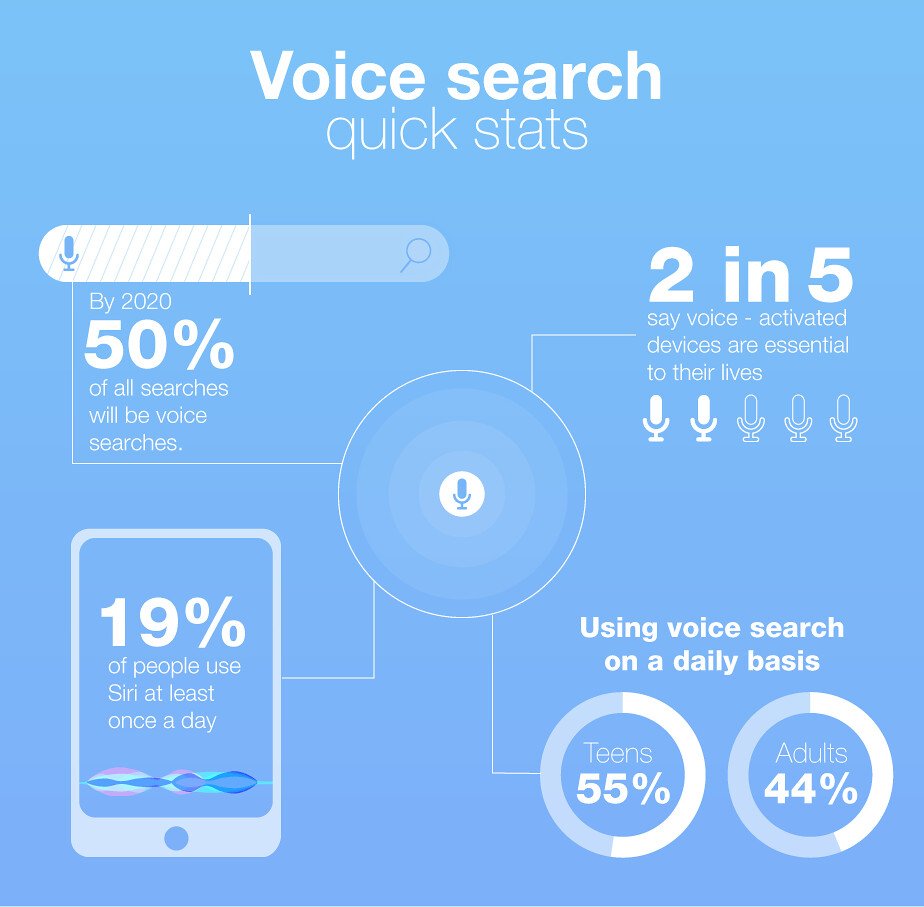
- Statistics reveal that voice searches are on the rise, with an estimated 50% of all searches expected to be voice-based by the year 2022.
- Moreover, a study found that voice searches tend to be longer and more conversational compared to text-based searches, as users naturally express their queries in a more natural language.
Optimizing for Voice Search Success:
- Begin with understanding your target audience and the specific questions they may ask. This helps in crafting content that aligns with their search intent.
- Focus on long-tail keywords that reflect conversational phrases, as these are more likely to match the queries made through voice search. For instance, instead of targeting the keyword “best sushi,” consider optimizing for “Where can I find the best sushi restaurants near me?”
- Ensure your website is optimized for mobile devices since voice search is predominantly used on smartphones and tablets.
The rise of voice search is transforming the way people discover information, and by understanding and optimizing for this shift, we can unlock its power to drive more traffic and enhance user experience. Stay ahead of the curve and embrace the potential of voice search optimization to connect with your audience in a more natural and intuitive way.

Best Practices to Optimize for Voice Search
Voice search has revolutionized the way people find information online. With the advent of smart speakers like Amazon Echo and Google Home, voice commands have become a norm in our daily lives. As a website owner or marketer, it is crucial to adapt your SEO strategy to ensure your content is discoverable through voice searches. To help you master voice search optimization, here are some best practices:
- 1. Understand user intent: Voice search queries tend to be longer and conversational compared to traditional text searches. It’s essential to identify the intent behind these search queries and optimize your content to provide comprehensive answers. Anticipating user questions and incorporating natural language in your content will enhance its visibility in voice search results.
- 2. Optimize for featured snippets: Voice assistants often rely on featured snippets to provide answers to user queries. Aim to optimize your content to appear as a featured snippet by providing concise and relevant answers to common questions in your industry. Structured data markup can also improve the chances of your content being featured.
- 3. Prioritize mobile user experience: Most voice searches are conducted on mobile devices, so it’s crucial to optimize your website for mobile users. Make sure your website is mobile-friendly, loads quickly, and has a responsive design. A seamless mobile experience will not only improve your voice search visibility but also benefit your overall SEO efforts.
Voice search is transforming the way we interact with technology, and optimizing for it has become essential to stay ahead in the digital landscape. By understanding user intent, optimizing for featured snippets, and prioritizing mobile user experience, you can unlock the power of voice and ensure your content is discoverable through voice search. Embracing these best practices will help your website reach a wider audience and provide a seamless experience for voice search users.
Maximizing SEO Potential through Voice Search
Voice search is rapidly transforming the way people find information online. With the rise of virtual assistants like Siri, Google Assistant, and Amazon Alexa, more and more users are turning to their voices to conduct searches instead of typing. As a result, businesses need to adapt their SEO strategies to accommodate this new trend and fully maximize their online visibility. In this post, we will delve into the world of voice search optimization and share some key techniques to help you unlock its power and boost your website’s search ranking.
1. **Understanding natural language**: Unlike traditional search queries, voice searches tend to be longer and more conversational. To optimize your content for voice search, it’s crucial to understand the way people phrase their queries naturally. By incorporating long-tail keywords and semantic phrases that match how users talk, you can increase the chances of your website being featured in voice search results.
2. **Tailoring content to answer questions**: Voice searches often revolve around questions such as “What is the best restaurant in town?” or “How does email marketing work?”. By creating content that directly addresses these questions, you have a higher chance of being the preferred answer provided by voice assistants. Consider creating FAQ pages, blog posts, or instructional videos that thoroughly address common queries related to your industry.
3. **Focusing on local optimization**: Voice searches are highly influenced by the user’s location. For instance, someone might ask, “Where is the nearest coffee shop?” or “What are the best hiking trails in this area?”. By implementing local SEO techniques, such as optimizing your website for local keywords, claiming your Google My Business listing, and ensuring consistent NAP (Name, Address, Phone Number) information across various directories, you can enhance your chances of appearing in local voice search results.
4. **Speeding up your website**: Voice search users often expect quick, direct answers. Slow-loading websites can frustrate users and hinder your chances of appearing in voice search results. Ensure your website is fully optimized for speed by minimizing file sizes, leveraging browser caching, and using content delivery networks.
Remember, voice search is rapidly gaining popularity, and its impact on SEO is only set to grow. By implementing these strategies and staying ahead of the curve, businesses can position themselves to fully capitalize on the potential of voice search and effectively reach their target audience. So, start optimizing today and unlock the power of voice!
(Note: HTML formatting has been provided for better organization and clarity. Please remove HTML tags if using the content in a plain text document.)
Harnessing the Future of Voice-Activated Devices
Voice-activated devices have revolutionized the way we interact with technology, making daily tasks faster and more efficient. From voice assistants like Alexa and Siri to in-car voice control systems, these devices have become an integral part of our lives. Harnessing their power and understanding how to optimize voice search is crucial for businesses and individuals alike, as it opens up a world of possibilities and opportunities.
To master voice search optimization, you need to keep up with the latest trends and techniques. Here are some key strategies to help you unlock the power of voice:
– Optimize for spoken queries: People tend to use different search terms when speaking compared to typing, so it’s important to use conversational language in your content. Think about the questions someone might ask when using voice search and incorporate those phrases naturally into your website’s copy.
– Featured snippets and structured data: Voice assistants often rely on featured snippets, which provide concise answers to user queries. By structuring your content to provide clear and concise answers, you increase your chances of being featured. Additionally, implementing structured data markup can help search engines understand your content better, providing more accurate answers to voice searches.
Q&A
Q: Why is voice search optimization becoming increasingly important?
A: As technology evolves, people are searching the web using voice commands more than ever. By optimizing content for voice search, businesses can reach a wider audience and improve their overall visibility.
Q: What is voice search optimization exactly?
A: Voice search optimization involves tailoring your website and content to align with how people naturally speak when using voice assistants like Siri, Alexa, or Google Assistant. It allows search engines to better understand and rank your site based on voice queries.
Q: How does voice search differ from traditional text-based search?
A: When people use voice search, they tend to ask questions or use conversational language. This means optimizing for long-tail keywords and providing clear, concise answers to commonly asked questions becomes crucial.
Q: What strategies can businesses use to improve voice search optimization?
A: Businesses can start by focusing on creating user-friendly and mobile-responsive websites. Additionally, they should optimize content with natural language and use schema markup to provide context to search engines.
Q: Does voice search affect local businesses?
A: Absolutely! Local businesses, in particular, can benefit significantly from voice search optimization. Many voice searches have local intent, such as “Where’s the nearest coffee shop?” By optimizing for local keywords, businesses can attract more customers in their area.
Q: How can businesses measure the success of their voice search optimization efforts?
A: Monitoring website traffic, bounce rates, and keyword rankings related to voice search can give businesses insights into the effectiveness of their optimization strategies. Tracking conversions from voice-generated traffic can also provide valuable data.
Q: Should businesses prioritize voice search optimization over traditional SEO techniques?
A: While voice search optimization is important, businesses should not neglect traditional SEO efforts. Aim for a balance between both. Traditional SEO tactics like quality link building, optimizing page load speed, and crafting compelling meta descriptions are still essential for search engine visibility.
Q: What are the common mistakes to avoid in voice search optimization?
A: One mistake to avoid is neglecting the importance of featured snippets. These are the concise answers that search engines display in response to voice queries. By optimizing content to appear in featured snippets, businesses can gain more visibility in voice search results.
Q: How can businesses stay ahead in voice search optimization?
A: Keeping up with voice-related technology and trends is vital. Regularly monitoring changes in voice search algorithms and refining optimization strategies accordingly will give businesses a competitive edge in the evolving landscape of voice search.
Q: Any final tips for businesses looking to unlock the power of voice search optimization?
A: Stay flexible and adaptable. Voice search optimization is still relatively new, and strategies will likely evolve over time. By embracing this technology and experimenting with various approaches, businesses will be well-equipped to seize the opportunities it presents.
Insights and Conclusions
As we bid farewell to this article, it’s clear that the world of search optimization is evolving at breakneck speed. Voice search has emerged as a force to be reckoned with, captivating audiences and shaping the way we interact with technology. Through the ups and downs, we have explored the depths of this fascinating realm, discovering the real power behind voice-based searches.
From deciphering the intricacies of natural language processing to crafting strategic keywords tailored for voice commands, we have embarked on a journey that has elevated our understanding of voice search optimization. We have witnessed its ability to connect businesses with their target audience on a deeper level, ensuring their voices are heard amidst the constant cacophony of digital noise.
Unlocking the power of voice has not only revolutionized the way users find information, but it has also altered the very fabric of our day-to-day lives. With a simple utterance, we can summon answers, make reservations, and delve into a vast pool of knowledge, all with the aid of our voice-enabled devices.
Yet, the potential of voice search optimization stretches far beyond convenience. It holds the key to unlocking a future where accessibility knows no bounds. A future where individuals with visual impairments can navigate the digital world effortlessly, where language barriers crumble under the weight of technology’s prowess, and where inclusivity reigns supreme.
As we conclude this exploration, remember that mastering voice search optimization is a continuous journey. The ever-evolving landscape demands constant adaptation and innovation. Embrace the power of voice, and you will find yourself at the forefront of the digital revolution. So, let your brand’s voice resonate across the airwaves, captivating audiences, and leaving an indelible impression.
As the voice search revolution unfolds, let us harness its potential, pivot our strategies, and unlock infinite possibilities. Embrace the power of voice, for it is the key that unlocks a world yet to be discovered.