

In an age where smartphones have become our trusty companions, it comes as no surprise that the world of search engine optimization (SEO) has had to adapt to our mobile-centric lifestyles. With an ever-increasing number of people relying on their mobile devices to navigate the virtual realms, businesses are faced with a critical question: How can they ensure their websites are optimized for mobile devices without compromising on user experience or search engine rankings?
Enter the mobile SEO marvel: Responsive Web Design (RWD). This transformative approach to web design has emerged as the knight in shining armor, ready to conquer the challenges of the mobile era. With its pivotal role in providing seamless user experiences across various screen sizes and devices, RWD has undoubtedly become an integral part of the digital landscape.
In this article, we unravel the secrets behind the success of Responsive Web Design and explore its crucial role in catapulting businesses to the forefront of the mobile revolution. From enhancing mobile usability to maximizing search engine visibility, we delve into the myriad benefits of this creative solution. So, join us as we embark on a journey to unveil the wonders of Responsive Web Design and unlock its potential to revolutionize your online presence.
Table of Contents
- Unleashing the Power of Responsive Web Design in Mobile SEO Optimization
- Unveiling the Key Components of a Mobile-friendly Design for SEO Success
- Exploring the Crucial Impact of Responsive Web Design on Mobile User Experience
- Harnessing the Potential of Responsive Web Design: Essential Tips for Mobile SEO Triumph
- Q&A
- Future Outlook

Unleashing the Power of Responsive Web Design in Mobile SEO Optimization
In this digital age where smartphones have become an integral part of our lives, it is crucial for businesses to adapt and optimize their websites for mobile devices. One of the most powerful tools in achieving this is responsive web design. So, what exactly is this marvel all about? Let’s dive in and explore how responsive web design can unleash the power of mobile SEO optimization!
1. Enhanced User Experience: With responsive web design, your website adapts and adjusts seamlessly to any screen size, providing a consistent and user-friendly experience across all devices. Whether your visitors access your site from a desktop, tablet, or smartphone, they can effortlessly navigate through your content, read text, and interact with your website’s features. By enhancing user experience, you significantly reduce the bounce rate and increase the time spent on your site, ultimately boosting your SEO rankings.
2. Mobile-Friendly Configuration: Gone are the days when businesses used to have a separate mobile version of their website. With responsive web design, you get one website that adapts to various screen sizes. This means you don’t have to maintain multiple versions of your site, resulting in easier management, reduced costs, and a more cohesive branding experience for your users. Additionally, Google favors websites that are optimized for mobile devices, rewarding them with higher rankings in search engine results pages. By embracing responsive web design, you can stay ahead of the game and outrank your competitors in mobile SEO. So, why settle for less when you can unleash the power of responsive web design and transform your mobile SEO optimization?
Unveiling the Key Components of a Mobile-friendly Design for SEO Success
With the rise of mobile usage, it has become increasingly important to prioritize mobile-friendly design for search engine optimization (SEO). Responsive web design (RWD) emerges as the superhero in this context, allowing your website to seamlessly adapt to different screen sizes, from desktops to smartphones. So, what are the key components of mobile-friendly design that contribute to SEO success?
1. Fluid Grids: RWD employs fluid grids that use percentages instead of fixed pixels for layout structure. This ensures that your website’s content will automatically adjust to fit any screen, providing a consistent and user-friendly experience.
2. Flexible Images: Images play a crucial role in captivating the attention of your visitors, and RWD ensures they look their best on every device. By using HTML’s “max-width” attribute, images can be scaled down to fit smaller screens without compromising quality or loading times.
3. Mobile-friendly Navigation: Mobile visitors should be able to navigate your website effortlessly. Adopting a mobile-friendly navigation design, such as a hamburger menu or a collapsible menu, enhances user experience on smaller screens and enables seamless browsing.
4. Optimized Typography: Text readability is paramount for mobile users. Implementing responsive typography allows your website’s content to adapt to different screen sizes, improving legibility and reducing the need for unnecessary scrolling or zooming.
5. Page Speed: Mobile users typically have limited patience for slow-loading websites. With RWD, the need for separate desktop and mobile sites is eliminated, leading to faster load times and a better overall user experience, which can positively impact your website’s SEO ranking.
In conclusion, a mobile-friendly design powered by responsive web design is essential for SEO success in today’s mobile-driven landscape. By incorporating fluid grids, flexible images, mobile-friendly navigation, optimized typography, and prioritizing page speed, you can ensure that your website caters to mobile users and achieves higher visibility in search engine results. So, let RWD be your mobile SEO Marvel and pave the way for your online success!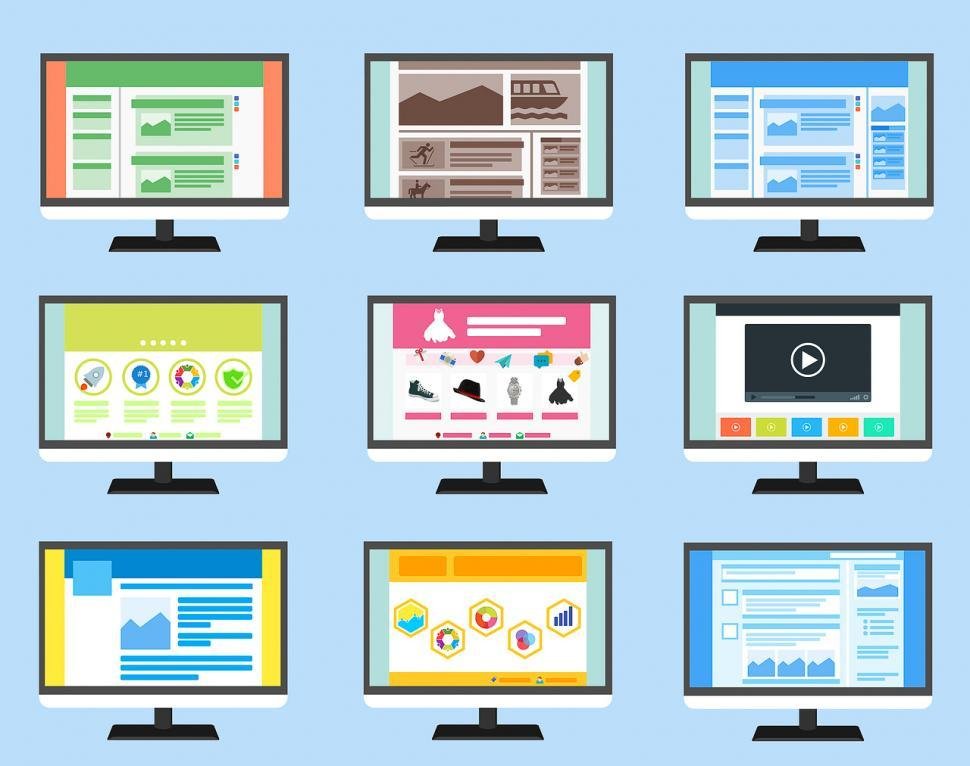
Exploring the Crucial Impact of Responsive Web Design on Mobile User Experience
In the fast-paced digital era we live in, a seamless mobile user experience has become an absolute necessity. With the majority of users relying on their smartphones to access the internet, businesses can no longer afford to ignore the crucial impact of responsive web design. By embracing this ingenious technique, websites can adapt to fit any screen size and resolution, ensuring that visitors experience optimal functionality and aesthetics, regardless of the device they use.
Responsive web design works like magic, offering a plethora of benefits for both users and businesses alike. With its strategic use of fluid grids, flexible images, and media queries, a responsive website effortlessly adjusts its layout and content to provide an intuitive and captivating browsing experience. Gone are the days of scrolling sideways or zooming in and out to navigate a website on a mobile device. Responsive design eliminates such frustrations, allowing users to effortlessly interact with a website, no matter the screen size. Moreover, adopting a responsive approach to web design enhances a website’s SEO performance, as search engines prioritize mobile-friendly websites in their rankings. So, by embracing this marvel of technology, businesses can effectively boost their visibility, attract more traffic, and ultimately, achieve higher conversion rates.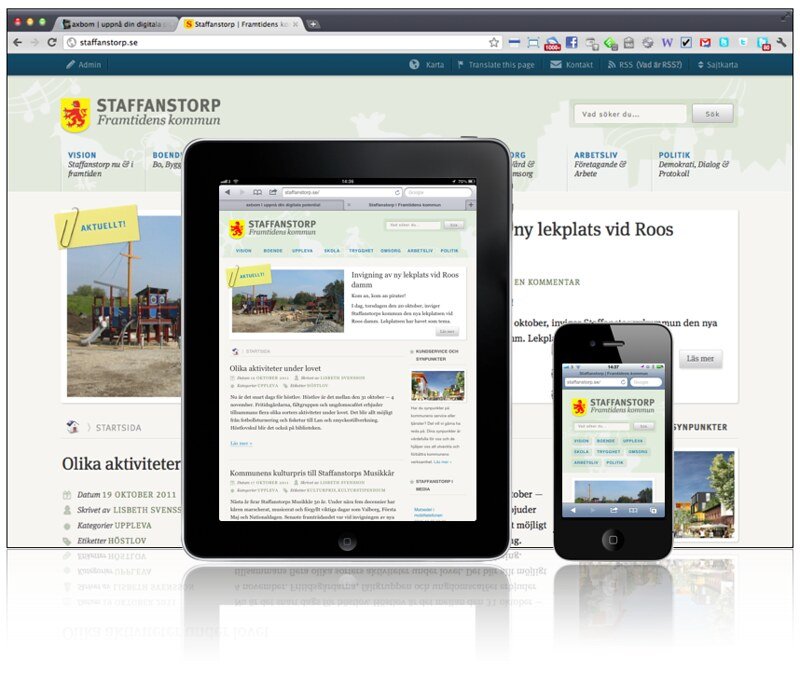
Harnessing the Potential of Responsive Web Design: Essential Tips for Mobile SEO Triumph
Responsive web design has revolutionized the way websites are created and viewed on mobile devices. With its ability to adapt and optimize content for various screen sizes, it has become an essential tool for successful mobile SEO. Here are some essential tips to help you harness the potential of responsive web design and achieve mobile SEO triumph:
1. Prioritize mobile-friendly design: A responsive website must prioritize mobile users by creating a visually appealing and user-friendly design. This means considering factors such as easy navigation, legible font sizes, and strategic placement of elements to ensure a seamless experience across devices.
2. Optimize page speed: Mobile users expect fast-loading pages, so it’s crucial to optimize your website’s performance. Use tools like Google PageSpeed Insights to identify and fix any issues that may be slowing down your website. Compress images, minify CSS and JavaScript, and leverage browser caching to improve load times and boost SEO rankings.
3. Focus on mobile keywords: Mobile searches are often different from desktop searches, and targeting mobile keywords can give you an edge in mobile SEO. Consider the user’s intent when searching on mobile and optimize your content accordingly. Long-tail keywords, questions, and location-based keywords are especially important for mobile optimization.
4. Embrace voice search optimization: With the rise of voice assistants like Siri and Alexa, voice search optimization is crucial for mobile SEO success. Optimize your content for natural language queries and conversational search patterns. Include FAQs, structured data, and schema markup to help search engines understand and display your content for voice searches.
5. Ensure seamless user experience: User experience is a key ranking factor for mobile SEO. Make sure your website is easy to navigate, with clear and concise content that loads quickly. Implement responsive design techniques to ensure that your website adapts seamlessly to devices of all sizes, offering a consistent and enjoyable user experience.
6. Mobile-friendly content is king: Mobile users often have limited attention spans, so it’s essential to deliver valuable and concise content that grabs their attention. Use bullet points, paragraphs, and headings to structure your content and make it easy to read. Break up long blocks of text with relevant images and videos to enhance engagement.
Harnessing the potential of responsive web design is vital for mobile SEO triumph. By following these essential tips, you’ll be well on your way to creating a mobile-friendly website that not only pleases search engines but also delights your mobile users. Remember, in the world of mobile SEO, adaptability and user experience are key.
Q&A
Q: What is the significance of mobile SEO in today’s digital landscape?
A: Mobile SEO is crucial in today’s digital landscape as more and more people rely on their mobile devices to browse the internet. With search engines prioritizing mobile-friendly websites and user experience, optimizing mobile SEO is pivotal for businesses to maintain their online presence and reach their target audience effectively.
Q: What role does Responsive Web Design play in mobile SEO?
A: Responsive Web Design (RWD) plays a pivotal role in mobile SEO by ensuring that a website adapts seamlessly to different screen sizes and devices. RWD allows a website to automatically adjust its layout, images, and content, providing a superior browsing experience on mobile devices. It leads to faster loading speeds, reduces bounce rates, and improves overall mobile SEO performance.
Q: How does Responsive Web Design improve user experience?
A: Responsive Web Design revolutionizes user experience by providing a consistent and visually appealing interface across all devices. By dynamically adjusting to different screen sizes, RWD eliminates the need for users to zoom in or out to view content, making their navigation smooth and effortless. This enhances user engagement, keeps visitors on the site longer, and increases the chances of conversions.
Q: Does Responsive Web Design impact search engine rankings?
A: Yes, Responsive Web Design has a significant impact on search engine rankings. With search engines like Google favoring mobile-friendly websites, RWD is an essential factor in determining a website’s SEO performance. A responsive site provides a better user experience, reducing bounce rates and increasing the time spent on the site, which are crucial ranking factors.
Q: Are there any SEO disadvantages to consider when implementing Responsive Web Design?
A: While Responsive Web Design offers numerous benefits, there are potential SEO disadvantages to consider. Sometimes, implementing RWD may result in increased load times if not optimized properly. Additionally, responsive websites might require more extensive coding, which can affect the site’s overall performance. However, with proper optimization, these disadvantages can be mitigated.
Q: How can businesses ensure their websites are mobile-friendly and incorporate Responsive Web Design effectively?
A: To ensure mobile-friendliness and effective implementation of Responsive Web Design, businesses should focus on factors such as intuitive navigation, fast loading speeds, and mobile-specific content organization. Conducting regular mobile SEO audits, testing site performance on various devices, and keeping up with the latest industry trends can help businesses stay competitive and maximize their online visibility.
Q: Can Responsive Web Design future-proof a website’s mobile SEO strategy?
A: Absolutely! Responsive Web Design is the key to a future-proof mobile SEO strategy. As the number of mobile users continues to rise, search engines will prioritize mobile-friendly sites. By adopting RWD, businesses can ensure their websites are adaptable and optimized for any device or screen size, providing a seamless user experience. This proactive approach will keep them ahead of the curve in the ever-evolving mobile landscape.
Q: Is Responsive Web Design only beneficial for mobile SEO or can it enhance other aspects of a website’s performance?
A: Responsive Web Design offers benefits beyond mobile SEO. It enhances a website’s overall performance by improving user experience, reducing maintenance efforts (as a single site serves all devices), increasing accessibility, and boosting conversion rates. With RWD, businesses can create a cohesive online presence, catering to the needs of all users, regardless of the device they use.
Q: In summary, what makes Responsive Web Design the mobile SEO marvel?
A: Responsive Web Design truly emerges as the mobile SEO marvel due to its ability to adapt a website’s layout and content for optimal user experience across all devices. By creating a website that automatically adjusts its design based on screen size, RWD guarantees a seamless browsing experience, enhanced rankings, and increased customer engagement. With its pivotal role in mobile SEO, Responsive Web Design is indeed a marvel that businesses should embrace.
Future Outlook
As we reach the conclusion of our journey into the world of mobile SEO marvels, one key player has emerged from the shadows, ready to take center stage – the Responsive Web Design. We have witnessed its pivotal role in shaping the digital landscape and propelling websites to new heights of success.
With its enchanting abilities to adapt effortlessly to any device screen size, Responsive Web Design is a true wizard, casting spells of seamless user experiences across desktops, tablets, and smartphones alike. It has unravelled the mysteries of device compatibility, ensuring that visitors on any gadget are treated to a visually captivating and functionally flawless encounter.
But the magic of responsive design does not end there. Its artistry in optimizing loading speeds has truly bewitched both users and search engines. By reducing time wasted on unnecessary page loads and redirecting users to the appropriate version of the website, this sorcerer guarantees a faster, more engaging experience that captivates even the most skeptical of digital wanderers.
Impressively, this mobile SEO maven has also managed to please the all-mighty Google. Responsive Web Design’s ability to consolidate website content without sacrificing its integrity has earned it a special place in the search engine’s favor. This harmonious relationship ensures that websites with responsive design are rewarded with higher rankings and better visibility, illuminating their path to success in the digital realm.
As we bid farewell to our exploration of this mobile SEO marvel, it is undeniable that Responsive Web Design has proven itself to be an indispensable tool in the quest for digital dominance. Its synergy with both users and search engines has bestowed upon it a pivotal role in the realm of mobile SEO.
So, dear readers, let us embrace the power of Responsive Web Design and unlock the true potential of our websites. Armed with this newfound knowledge, let us go forth and conquer the digital realm, secure in the knowledge that our responsive designs shall prevail, enchanting audiences and captivating search engines along the way.