


Unlocking hidden potentials and maximizing profits – that’s the holy grail for any business striving to thrive in today’s competitive marketplace. In this fast-paced world, where customers are spoilt for choice, companies need to adopt new strategies to strengthen their bottom line. And in the perpetual quest for increased revenue, the art of upselling and cross-selling emerges as a secret weapon for success. Join us as we embark on a journey to tap into the elusive potential of upselling and cross-selling and explore how an ingenious blend of creativity and neutrality can elevate your business to unprecedented heights. It’s time to explore uncharted territories, unlock hidden treasure troves, and pave the way for unparalleled profitability.
Table of Contents
- Maximize Revenue: Unleashing the Power of Upselling and Cross-Selling
- Enhancing Customer Experience: Strategies for Effective Upselling
- Seizing Untapped Opportunities: Unveiling the Potential of Cross-Selling
- Unleash Profits with Personalization: Tailoring Upselling and Cross-Selling to Customers’ Needs
- Q&A
- To Conclude

Maximize Revenue: Unleashing the Power of Upselling and Cross-Selling
Do you want to give your business a profit boost? Look no further than the powerful techniques of upselling and cross-selling. These strategies are essential for maximizing revenue and unleashing the full potential of your products or services. By understanding how to effectively incorporate upselling and cross-selling into your sales process, you can skyrocket your profits and drive customer satisfaction to new heights.
Upselling is the art of encouraging customers to purchase a higher-priced item or upgrade to a more premium version of a product they are interested in. It involves offering additional features, accessories, or services that complement their chosen item. For example, imagine a customer browsing a smartphone store looking for a new device. An attentive salesperson could introduce them to a model with more storage or a better camera, pointing out the added benefits and value it brings. By emphasizing the enhanced features and persuading customers to invest a little more, upselling not only drives up the average purchase value but also enhances the overall customer experience.
Cross-selling, on the other hand, is when businesses recommend related or complementary products or services to customers. It’s all about identifying their needs and offering additional solutions that align perfectly with their original purchase. Think of a customer buying a laptop. A smart sales approach would involve suggesting a protective case, a wireless mouse, or even a software package that enhances their productivity. Cross-selling not only increases revenue by encouraging customers to buy more, but it also establishes trust and demonstrates a deep understanding of their preferences and requirements.
Enhancing Customer Experience: Strategies for Effective Upselling
Upselling and cross-selling are invaluable strategies that can significantly boost your business’s profits, but they also play a crucial role in enhancing the overall customer experience. When done right, these techniques can not only increase your revenue but also provide additional value to your customers. Here, we will explore some effective strategies to successfully implement upselling and cross-selling.
1. Understand your customers: To effectively upsell or cross-sell, it is important to have a deep understanding of your customers’ needs and preferences. This means conducting thorough market research, creating buyer personas, and analyzing customer data. By understanding who your customers are and what they want, you can tailor your upselling and cross-selling efforts to their specific needs, resulting in a more personalized and satisfying experience. For example, a fast-food restaurant may offer a larger combo meal to customers who frequently order the regular-sized meal.
2. Provide relevant recommendations: When upselling or cross-selling, it is crucial to offer recommendations that are relevant and valuable to the customer. Instead of pushing products or services that they do not need or want, focus on suggesting items that complement their original purchase. For instance, an e-commerce website could recommend related products based on the customer’s browsing history, ensuring that the suggested items are genuinely helpful and increase the customer’s satisfaction. By providing relevant recommendations, you show your customers that you understand their preferences and are genuinely interested in enhancing their experience.
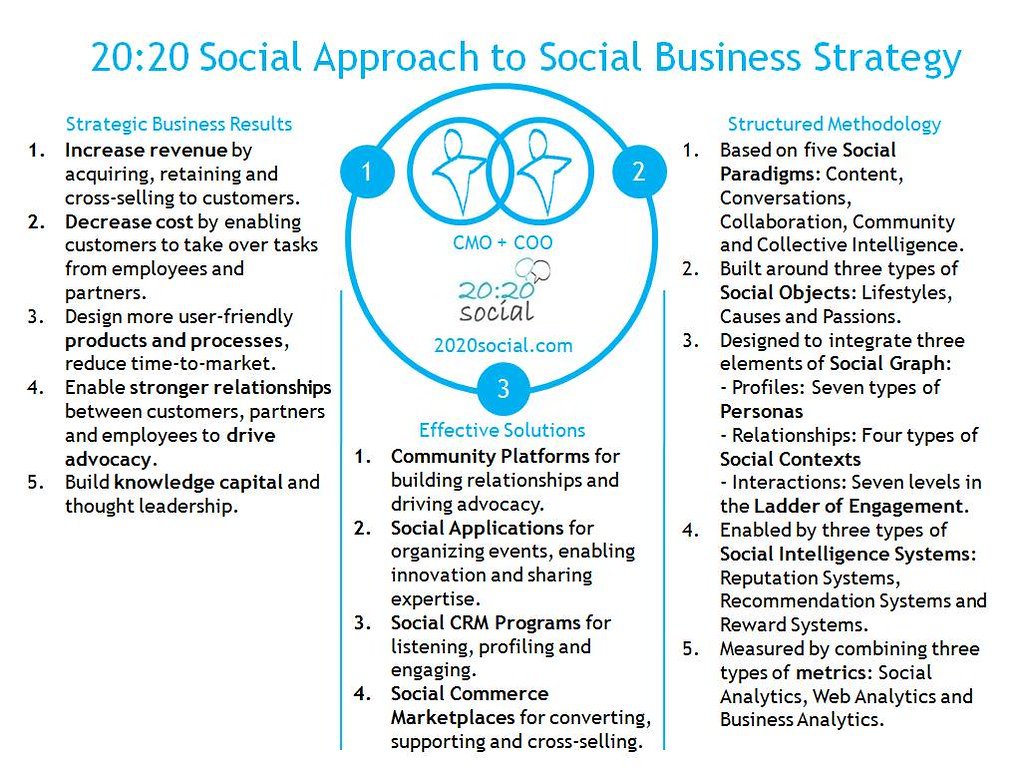
Seizing Untapped Opportunities: Unveiling the Potential of Cross-Selling
Cross-selling is a powerful strategy that businesses can use to maximize their profits by tapping into their existing customer base. By offering complementary products or services to customers who have already made a purchase, businesses can increase their revenue and build stronger relationships with their customers. Imagine you own a clothing store and a customer purchases a pair of jeans. By cross-selling, you could offer them a matching belt or a stylish shirt that complements their new jeans. This not only increases the value of their purchase but also enhances their overall shopping experience.
The key to effective cross-selling is understanding your customers and their needs. By analyzing their purchase history and preferences, you can identify the perfect cross-selling opportunities. For example, if a customer has recently bought a camera, you can recommend accessories such as lenses, tripods, or camera bags. By presenting these related products at the right time, you can increase the chances of customers making additional purchases. Additionally, by highlighting the benefits and features of the cross-sell items, you can showcase their value and appeal to the customers’ desires. Successful cross-selling requires careful consideration of your customers’ preferences and needs, as well as effective communication and presentation of the additional products or services that you are offering. So, don’t miss out on the untapped potential of cross-selling and start boosting your profits today!
Unleash Profits with Personalization: Tailoring Upselling and Cross-Selling to Customers’ Needs
The key to unleashing profits lies in understanding your customers’ needs and tailoring your upselling and cross-selling strategies accordingly. Personalization is the secret ingredient that can skyrocket your revenue and ensure customer satisfaction. By offering products or services that align with your customers’ preferences and requirements, you not only increase the chances of making a sale but also build long-lasting relationships with your clientele.
So, how can you effectively implement personalization to boost your profits? Here are a few strategies to consider:
1. Segment your audience: Divide your customers into specific groups based on demographics, purchase history, or behavior. This allows you to identify patterns and preferences, enabling you to offer personalized recommendations and promotions that are more likely to resonate with each segment.
2. Utilize data-driven insights: Leverage the power of analytics to gain a deeper understanding of your customers’ preferences. By analyzing their browsing history, past purchases, or even feedback, you can identify cross-selling and upselling opportunities that are tailored to their needs. For example, if a customer has recently purchased a laptop, you can offer them accessories such as a laptop bag or a wireless mouse.
Remember, personalization is not just about pushing products onto your customers; it’s about adding value to their experience and meeting their specific needs. By implementing personalized strategies like segmenting your audience and utilizing data-driven insights, you can unlock the full potential of upselling and cross-selling, leading to increased customer satisfaction and higher profits.
Q&A
Q: What is the key to boosting profits for businesses?
A: Unlocking the potential of upselling and cross-selling.
Q: What is upselling?
A: Upselling is the practice of convincing a customer to purchase a higher-priced product or upgrade, adding more value to their purchase.
Q: Why is upselling important for businesses?
A: By successfully upselling, businesses can increase their profits without acquiring new customers or spending additional resources on marketing.
Q: Can you provide an example of upselling?
A: Certainly! Imagine a customer buying a laptop. The salesperson can suggest a more powerful model with enhanced features, persuading the customer to go for a higher-priced option.
Q: What is cross-selling?
A: Cross-selling involves recommending and selling additional products or services that complement the customer’s initial purchase.
Q: Why is cross-selling valuable for businesses?
A: Cross-selling not only increases revenue but also enhances customer satisfaction by offering them relevant products or services that they may not have considered otherwise.
Q: Can you give us an example of cross-selling?
A: Absolutely! Let’s say a customer purchases a camera; the retailer can suggest camera accessories like lenses, tripods, or camera bags that enhance the photography experience.
Q: How can businesses effectively implement upselling and cross-selling strategies?
A: Businesses need to understand their customers’ needs and preferences to offer targeted recommendations. Training sales teams to make personalized suggestions and creating attractive bundle offers can also improve effectiveness.
Q: What are the key benefits of implementing upselling and cross-selling techniques?
A: Upselling and cross-selling techniques can boost revenue, encourage customer loyalty, and maximize customer lifetime value, ultimately leading to a more profitable business.
Q: Are there any potential drawbacks to consider while implementing upselling and cross-selling strategies?
A: Yes, businesses should be cautious not to be too pushy or aggressive with their upselling and cross-selling approaches. It’s important to strike a balance between suggesting additional products and overwhelming the customer.
Q: How can businesses measure the success of their upselling and cross-selling efforts?
A: Metrics such as average order value, conversion rates, and customer feedback can help businesses gauge the effectiveness of their upselling and cross-selling strategies.
Q: Are there any industries or businesses that can benefit more from upselling and cross-selling?
A: Almost all industries can implement these strategies, but sectors like retail, hospitality, e-commerce, and telecommunications have seen significant success with upselling and cross-selling due to their wide range of products and customer interactions.
Q: Any final tips for businesses wanting to unlock their upselling and cross-selling potential?
A: Understanding your customers, training your sales teams, and constantly reviewing and adapting your strategies based on customer feedback are crucial for successful implementation. Always focus on providing value and meeting customer needs to drive profits.
To Conclude
In the tumultuous world of business, where competition roars and customer expectations soar, finding innovative ways to boost profits has become an art in its own right. As we’ve journeyed through the ins and outs of upselling and cross-selling, we’ve peeled back layers of strategies to unlock the potential that lies within every business. But now, as our exploration comes to a close, we stand at the precipice of a new era—one where the limit to your profits is only bounded by your imagination.
You’ve witnessed the power of suggesting additional products or services to your customers—a simple act that not only increases revenue but also enhances customer satisfaction. Upselling, that artful dance of subtly enticing customers to upgrade or purchase a more expensive option, amplifies the value they perceive in your offerings. In turn, it deepens their trust in your brand, forging a bond that transcends mere transactions.
And let us not forget the prowess of cross-selling—a skill that allows you to showcase complementary products, planting the seeds of desire for an entire ensemble rather than a lone item. As you guide your customers towards a harmonious mix of products that satisfy their needs on multiple fronts, a symphony of profits plays out before your very eyes. It’s a breathtaking sight.
But profiting from upselling and cross-selling requires more than just knowledge—it requires finesse. It demands an understanding of your customers’ desires, their deepest needs, and moments of vulnerability. By shining a light on the hidden gems within your arsenal, you become not just a salesperson, but a trusted advisor—the connection between their aspirations and the fulfillment of their dreams.
So, as we bid farewell to the enchantment of upselling and the exhilaration of cross-selling, let us stride with confidence into a future where these techniques become an intrinsic part of our business DNA. Let our creativity flourish as we uncover new ways to understand and cater to our customers, and let our profits soar to unimaginable heights.
Remember, the potential to boost your profits was always within your grasp. Now, with upselling and cross-selling standing firmly in your arsenal, it’s time to unlock that potential and watch it transform your business into a realm of unrivaled success. Grab the reins, embrace the power of suggestion, and set forth on this treacherous yet rewarding path—the path that guarantees your business thrives, and your profits flourish.