


In a world where online shopping has become the norm, the success of any eCommerce business hinges on one powerful tool: Search Engine Optimization (SEO). Imagine unlocking the hidden treasures of success, where your business not only thrives but soars to unprecedented heights. This captivating journey begins with harnessing the magic of SEO, the secret ingredient that propels businesses to the top of search engine rankings and opens the floodgates of immense online visibility. Mastering the art of SEO is no longer a luxury; it is an absolute necessity for any eCommerce venture. So, fasten your seatbelts and get ready to embark on an exhilarating adventure as we explore the boundless potential of SEO, transforming your online business into an unstoppable force in the realm of eCommerce.
Table of Contents
- The Importance of SEO in eCommerce: Maximizing Visibility and Driving Sales
- Harnessing the Potential of Keywords: A Strategic Approach to eCommerce SEO
- Optimizing On-Page Elements: Techniques for Boosting Search Rankings and Click-Through Rates
- Building High-Quality Backlinks: Enhancing SEO Authority and Relevance in eCommerce
- Q&A
- Insights and Conclusions
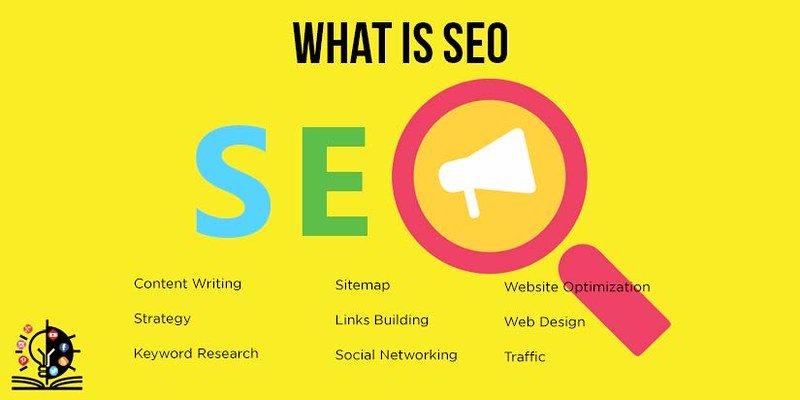
The Importance of SEO in eCommerce: Maximizing Visibility and Driving Sales
When it comes to eCommerce, one factor can truly make or break your online success – search engine optimization, or SEO. In today’s digital landscape, where competition is fierce and attention spans are short, having a strong SEO strategy is crucial for maximizing visibility and driving sales.
So, why is SEO so important for eCommerce? Let’s dive into the key reasons:
- Boosting organic traffic: SEO helps your website rank higher in search engine results, making it more likely for potential customers to discover your online store. By optimizing your product pages and website content with relevant keywords, metadata, and quality backlinks, you can attract a steady flow of organic traffic and increase your chances of converting visitors into loyal customers.
- Stay ahead of the competition: With the eCommerce landscape becoming increasingly competitive, SEO allows you to stay ahead of your rivals. By identifying and targeting niche keywords, optimizing your website’s loading speed, and enhancing the user experience, you can rise above the competition and establish your brand as a trusted authority.
- Improve user experience: SEO goes hand in hand with delivering a seamless user experience. When your website is optimized for search engines, it is also optimized for your customers. Enhancing usability, simplifying navigation, and ensuring mobile responsiveness are all vital elements of SEO that contribute to a positive user experience, encouraging customers to stay longer, explore more products, and ultimately make a purchase.

Harnessing the Potential of Keywords: A Strategic Approach to eCommerce SEO
Incorporating Keywords Strategically
Keywords play a crucial role in driving organic traffic to your eCommerce website. By understanding how to effectively harness their potential, you can significantly boost your visibility and reach online. Here are some key points to consider when implementing a strategic approach to eCommerce SEO:
- Keyword Research: Begin by conducting thorough keyword research to identify the search terms that your target audience is using. Utilize tools like Google Keyword Planner or SEMrush to gain insights into keyword search volume and competition. By selecting relevant and high-converting keywords, you can align your website content with the needs and interests of your customers.
- On-Page Optimization: Once you have identified your target keywords, it’s important to optimize your website’s on-page elements. Incorporate these keywords strategically in your meta tags, headings, product descriptions, and URLs. However, it’s vital to maintain a natural flow and avoid keyword stuffing, as search engines prioritize user experience and quality content.
- User Intent: Understand the underlying intent behind the keywords. Are people looking for information, ready to make a purchase, or comparing different products? By catering to user intent, you can create personalized experiences and tailor your keyword optimization accordingly. For instance, a user searching for “best running shoes for marathon” is likely in the consideration stage, whereas someone searching for “buy Nike Air Zoom Pegasus 37” is ready to make a purchase.
External Link Building: Building a strong backlink profile is another vital aspect of eCommerce SEO. Quality backlinks from reputable websites in your industry signal to search engines that your website is a reliable source. Collaborate with industry influencers, leverage guest blogging opportunities, or create valuable content that naturally attracts backlinks. These external links act as “votes of confidence,” boosting your website’s authority and credibility in the eyes of search engines.
Monitoring and Refinement: SEO is an ongoing process, and it’s crucial to monitor your keyword performance regularly. Keep track of your website’s rankings, organic traffic, and conversions. If certain keywords are not performing as expected, consider adjusting your strategy. Additionally, stay up to date with industry trends and algorithm updates to ensure your SEO practices remain effective and compliant.

Optimizing On-Page Elements: Techniques for Boosting Search Rankings and Click-Through Rates
When it comes to eCommerce success, one weapon in your arsenal stands above the rest: Search Engine Optimization (SEO). By effectively leveraging on-page elements, you can enhance your website’s visibility, improve search rankings, and ultimately increase click-through rates. Let’s dive into some techniques that will empower you to unlock the full potential of your eCommerce platform.
1. Craft Captivating Meta Descriptions: The meta description is like the sales pitch for your webpage on search engine result pages (SERPs). A well-crafted and compelling meta description can entice users to click on your website. Keep it concise, within 150-160 characters, and make sure it provides a glimpse into the content found on your page.
2. Harness the Power of Keywords: Keywords are the building blocks of effective on-page optimization. Conduct thorough keyword research to identify the terms your target audience is searching for. Place these keywords strategically within your page title, headings, and content. However, remember to keep the content natural and avoid keyword stuffing, as search engines prioritize user experience.
3. Optimize Page Titles for Clarity and Relevance: A clear and concise page title helps search engines and users understand what your page is all about. Incorporate relevant keywords in the title, while ensuring it accurately reflects the content. For example, instead of a generic “Product A,” try “Premium Athletic Shoes for Running Enthusiasts.”
4. Utilize Descriptive URLs: A descriptive URL not only aids search engines in understanding the content of your page but also helps users grasp the relevance of a webpage before clicking on it. For instance, a URL such as www.example.com/category/specific-product provides more context than www.example.com/p?=12345.
By optimizing these on-page elements, you pave the way for higher search rankings and increased click-through rates. Remember, SEO is an ongoing process that requires constant monitoring and refinement. Stay up to date with industry trends and adapt your strategy accordingly to stay ahead in the competitive eCommerce landscape. With dedication and a solid SEO foundation, you’ll unlock the power to drive success to your online store.
Building High-Quality Backlinks: Enhancing SEO Authority and Relevance in eCommerce
When it comes to running a successful eCommerce business, unlocking the power of SEO is vital. Search Engine Optimization (SEO) is the key to improving your website’s visibility on search engine results pages (SERPs), driving organic traffic, and ultimately boosting sales. One crucial aspect of SEO that often gets overlooked is building high-quality backlinks, which can significantly enhance your website’s authority and relevance.
But what exactly are backlinks? Simply put, backlinks are links from external websites that point back to your own site. Think of them as endorsements from other credible sources, vouching for the quality and relevance of your content. Search engines like Google consider these backlinks as votes of confidence, and the more high-quality backlinks you have, the higher your website is likely to rank in search results.
- Improve your website’s authority: When reputable websites link to yours, it increases your domain authority. This, in turn, signals to search engines that your site is trustworthy and relevant, boosting its visibility in search results.
- Enhance your website’s relevance: Backlinks from websites within your industry or niche reinforce the relevance of your content. For example, if you run an eCommerce store selling shoes, having backlinks from fashion blogs or influential shoe reviewers will indicate to search engines that your website is a reliable source of information in the shoe industry.
- Boost your organic traffic: High-quality backlinks can drive organic traffic to your eCommerce site. When a user clicks on a backlink from another website, they’re directed to your site, potentially leading to increased sales and conversions.
- Stand out from the competition: Building quality backlinks can give your eCommerce business a competitive edge. If your competitors have limited or low-quality backlinks, this is an opportunity for you to stand out and attract more organic traffic.
Q&A
Q: What is SEO, and why is it important for eCommerce?
A: SEO stands for Search Engine Optimization, and it is crucial for eCommerce because it helps websites improve their visibility and rank higher in search engine results. This ultimately drives more organic traffic to the site, increasing the chances of converting visitors into customers and achieving success in online sales.
Q: How does SEO impact the success of an eCommerce business?
A: SEO plays a pivotal role in the success of an eCommerce business by ensuring that potential customers can easily find the website when they search for relevant products or services. By optimizing various aspects like website structure, content, and keywords, SEO helps increase the visibility and credibility of the business in the competitive online landscape, leading to higher conversion rates and revenue growth.
Q: What are some key SEO strategies that eCommerce businesses should implement?
A: eCommerce businesses should focus on several key SEO strategies. Firstly, conducting thorough keyword research to identify high-ranking and relevant keywords helps optimize the website’s content. Additionally, creating unique and compelling product descriptions, optimizing meta tags, incorporating high-quality images, and improving website loading speed all contribute to better SEO rankings. Moreover, building a strong internal linking structure and acquiring external backlinks from credible sources also enhance the website’s visibility and authority.
Q: How can eCommerce businesses benefit from optimizing their website’s structure?
A: Optimizing a website’s structure is essential for enhancing not only user experience but also SEO performance. By designing a clear and intuitive site navigation, eCommerce businesses can ensure that users can easily find the products they are looking for. Implementing structured data, such as schema markup, can also improve how search engines understand and categorize the website’s content, leading to higher visibility and more prominently displayed search results.
Q: How does content creation impact SEO for eCommerce businesses?
A: Content creation is a critical aspect of SEO for eCommerce businesses. By regularly producing high-quality, original, and engaging content, businesses can attract more organic traffic and build a loyal customer base. Moreover, optimized content allows businesses to target relevant keywords, improving their chances of ranking higher in search engine results pages. This, in turn, drives more visibility and potential sales for the eCommerce business.
Q: Can social media have an impact on SEO for eCommerce businesses?
A: Certainly! While social media may not have a direct impact on search engine rankings, it can indirectly influence SEO for eCommerce businesses. Sharing content on social media platforms helps increase visibility and brand awareness, attracting potential customers to visit the website and potentially engage with its content. Additionally, if social media activity generates external links to the eCommerce website, it can improve its domain authority, which positively impacts search engine rankings.
Q: How can eCommerce businesses adapt to the ever-changing SEO landscape?
A: Adapting to the rapidly evolving SEO landscape requires eCommerce businesses to stay updated on the latest industry trends and best practices. Regularly monitoring and analyzing website analytics data can help identify areas that need improvement or optimization. Engaging in continuous learning and experimenting with different SEO strategies will allow businesses to adapt and grow in a dynamic online marketplace. Additionally, collaborating with SEO professionals or agencies can provide valuable expertise and guidance in navigating the SEO landscape effectively.
Q: What are the long-term benefits of investing in SEO for eCommerce businesses?
A: Investing in SEO for eCommerce businesses leads to numerous long-term benefits. By consistently implementing solid SEO strategies, businesses can achieve higher organic rankings, attract quality traffic, and establish themselves as authoritative industry players. Increased visibility and improved user experience result in higher conversion rates and customer loyalty. As a result, eCommerce businesses can enjoy continuous growth in online sales and a strong competitive advantage in the ever-expanding digital realm.
Insights and Conclusions
As we conclude our journey into the realm of eCommerce and the boundless opportunities it presents, it is clear that unlocking success hinges upon embracing the power of SEO. Delving into the depths of this digital wilderness, we have unraveled the secrets and intricacies that lie at the heart of online success. From the pages of search engine rankings to the labyrinth of keywords, we have navigated a path fraught with challenges and triumphs.
While the shifting algorithms may seem like enigmatic gatekeepers of the digital kingdom, they hold no sway over those who wield the potent weapon of SEO. Like skilled alchemists, we have discovered the right alchemical formula – the blending of exceptional content, flawless technical optimization, and a sprinkle of artful link-building – to conjure up success in an arid landscape.
But SEO is not simply a magical incantation or a fleeting trend; it is a steadfast companion, an ever-evolving guide in an ever-changing digital world. As online shopping surges through the robust veins of the worldwide web, businesses must embrace this ally to forge ahead in the relentless pursuit of growth and prosperity.
As we bid adieu, remember that embracing SEO is not just about appeasing the search engines; it is about connecting with your customers on a deeper level. The journey towards unlocking success is not one of smoke and mirrors, but rather a strategic dance between consumer needs and digital visibility. By offering valuable content, seamless user experiences, and a sanctuary for boundless exploration, your eCommerce venture can transcend the boundaries of average and ascend to the realm of extraordinary.
So, fellow adventurers, armed with this newfound knowledge, go forth and conquer the digital realm. With SEO as your steadfast companion, let every click, every browse, and every search be a testament to your unwavering dedication to success. Step boldly into the future, for there, amidst the vast expanse of the digital landscape, awaits the glistening treasure trove of triumph that is yours to claim.